Ligament sprains happen when a joint is pushed beyond its normal range, stretching or tearing the connective tissue that holds bones together. This can lead to pain, swelling, and reduced mobility — making relief for ligament sprains a top priority after injury. Whether it’s a twisted ankle, a pulled knee, or a groin strain, proper care can speed up healing and restore function. Without early support, minor sprains can become chronic issues. From compression to bracing, the right approach makes a difference in ligament sprain recovery and long-term joint stability.
How to Support a Sprained Ligament
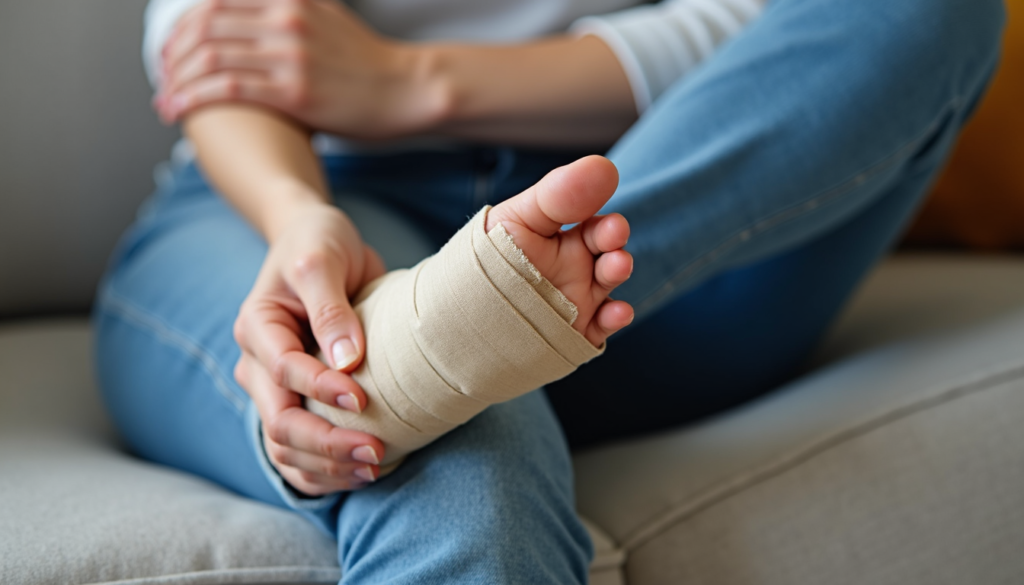
When a ligament is injured, the priority is to reduce stress on the joint and begin healing. Immediate relief for ligament sprains involves three core principles: support, compression, and elevation. Supporting the area reduces further strain. Compression helps control swelling. Elevation encourages fluid drainage and reduces throbbing. These actions form the foundation of early ligament sprain recovery, whether it’s a mild or moderate injury.
Without proper care, inflammation and instability can linger. Compression wraps, braces, and rest all contribute to effective recovery and long-term stability. When in doubt, it’s better to over-support early than allow the joint to worsen. These steps not only relieve a sprained ligament but also prevent further damage. Long-term relief for ligament sprains depends on consistent, targeted care in the first 48–72 hours.
RICE vs POLICE for Sprains
The traditional RICE method (Rest, Ice, Compression, Elevation) has given way to POLICE — Protection, Optimal Loading, Ice, Compression, Elevation. This updated ligament care method encourages early controlled movement instead of total rest. Choosing RICE vs POLICE for sprains depends on severity, but both aim to reduce inflammation while protecting the injured tissue.
Ligament Sprain Support Braces
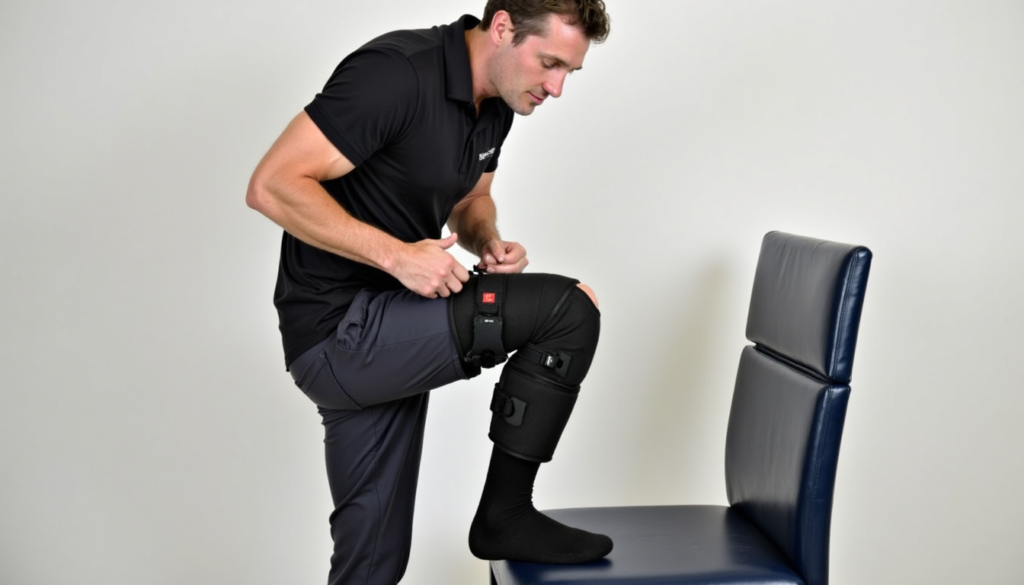
Bracing provides external support that reduces motion and protects healing ligaments. For moderate injuries, a structured brace limits strain during walking or lifting. This improves recovery outcomes and lowers reinjury risk. Many athletes and active individuals rely on ligament sprain support braces in the early healing stages.
Alongside rest and compression, bracing improves comfort and joint confidence. Using the right supportive brace at the right time can prevent setbacks during relief for ligament sprains. Some braces include straps, padding, or hinges depending on the joint involved. Always follow your provider’s recommendation to choose a brace suited for your injury. Consistent use offers another layer of relief for ligament sprains, especially in high-movement areas like the ankle or knee.
Ankle Brace for Torn Ligament
An ankle brace for torn ligament is commonly used after inversion injuries or high ankle sprains. It provides lateral stability and restricts excess movement during recovery. For ankle ligament injury support, choose a semi-rigid model that balances support with comfort. Bracing early can shorten downtime and restore confidence in weight-bearing.
Groin Support for Ligament Sprain
A groin support for ligament sprain helps stabilize the hip and upper thigh during movement. These wraps limit overstretching and promote warmth to the injured area. Athletes recovering from rapid directional changes often use a groin wrap for sprain during training. Compression plus light restriction aids healing without full immobilization.
Elastic Bandage for Ligament Sprain
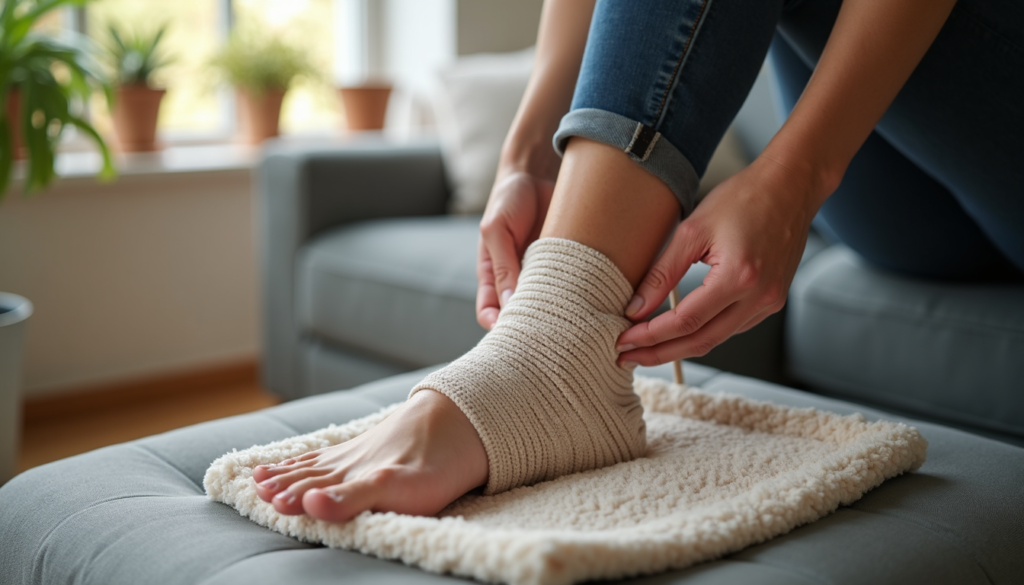
An elastic bandage for ligament sprain offers adjustable compression that stabilizes the joint and reduces swelling. It’s most effective when applied soon after injury and worn for short intervals. A compression wrap should never be too tight — circulation must stay intact. For mild to moderate sprains, bandages are a convenient first-line support.
Compression Sleeve for Ligament Sprains
A compression sleeve for ligament sprains provides uniform pressure to reduce swelling and promote circulation. It’s easy to use, discreet under clothing, and comfortable for daily wear. When bracing feels too rigid, a support sleeve offers flexible recovery support — especially useful during light activity or work.
Ligament Sprain Treatment at Home
Not all sprains require clinic visits. In many cases, ligament sprain treatment at home can offer fast and effective results. The foundation includes rest, ice, and light compression — especially in the first 72 hours. These methods ease pain, limit swelling, and protect the ligament during its most vulnerable stage.
Topical products such as anti-inflammatory creams or cooling gels also help with relief for ligament sprains. Light movement (within comfort) improves circulation and prevents stiffness. This kind of home care for sprains works best when paired with bracing or support sleeves. For mild injuries, consistent at-home methods can match the effectiveness of clinical treatment for ligament sprains — but should be monitored closely.
Topical Pain Relief for Ligament Sprains
For minor pain and inflammation, topical pain relief for ligament sprains can be highly effective. Options include cooling gels, anti-inflammatory cream for sprain, or medicated patches. Apply gently around the area (never on broken skin). These treatments don’t replace structural support but offer symptom relief during rest or rehab.
When to See a Specialist for Ligament Sprains

Most sprains improve with basic care — but not all. If you’re still in pain after a week of rest and home treatment, it may be time to consult a professional. Signs that require attention include visible joint instability, sharp pain with weight-bearing, or swelling that doesn’t subside. A severe tear may need imaging or advanced intervention.
Specialists such as physiotherapists or orthopedic doctors can assess damage and recommend targeted rehab plans. Clinics that focus on sports injury or ligament rehabilitation often provide better results than general practice care. You may need manual therapy, ultrasound treatment, or custom bracing for full recovery.
Don’t wait if you hear popping during injury or feel like your joint “gives out” under pressure. Early guidance from a physiotherapy clinic can prevent long-term instability or chronic pain. For athletes, a delay in proper rehab can mean recurring injuries or performance loss. Trust your symptoms — when in doubt, get evaluated.
Conclusion

Finding the right approach to relieve a sprained ligament can speed up recovery and reduce complications. From early support and compression to targeted bracing and home care, each step plays a role in protecting the joint while it heals. Whether it’s your ankle, knee, or groin, consistent care helps restore strength and mobility.
If your symptoms don’t improve or pain lingers beyond a few days, it’s best to consult a professional. A sports injury specialist or physiotherapist can guide your next steps. Don’t ignore signs of instability — getting help early ensures long-term joint health and confidence.