Muscle strains happen when fibers in a muscle are overstretched or torn, usually from sudden movement, overuse, or poor flexibility. These injuries can range from mild discomfort to significant pain that limits movement.
Providing the right support for muscle strains is crucial. It helps reduce inflammation, relieve pain, and promote faster healing—whether it’s through bracing, compression, or taping. With the right tools and timing, muscle strain recovery support can also prevent the injury from getting worse.
According to the Cleveland Clinic, early care and the right support can make a big difference in how quickly you return to normal activity.
How to Support a Muscle Strain

Knowing how to support a muscle strain can speed up recovery and reduce the risk of further damage. The most common supportive options for strains include taping, compression wraps, and braces—each offering different benefits depending on the severity and location of the injury.
Elastic wraps help limit swelling and provide compression. Kinesiology tape adds light support without restricting movement, making it ideal for active recovery. Braces offer more rigid support and are useful during daily activity or physical labor.
Choosing how to support a muscle strain depends on the type of injury and your goals—pain relief, protection, or mobility. These ways to support strained muscles can be combined as your condition improves.
Healthline recommends starting with light compression and adjusting support levels based on swelling, pain, and movement tolerance.
RICE vs POLICE for Muscle Strains

The classic RICE method (Rest, Ice, Compression, Elevation) was once standard, but now the POLICE approach (Protection, Optimal Loading, Ice, Compression, Elevation) is often preferred. RICE vs POLICE for muscle strains depends on injury stage: RICE suits initial rest, while POLICE encourages safe movement. Understanding the RICE or POLICE method for strains helps apply the right support at the right time.
Elastic Bandage for Muscle Strain
An elastic bandage for muscle strain provides adjustable compression, which helps control swelling and stabilize the area. It’s especially useful for mild to moderate strains. Make sure the wrap is snug but not tight enough to cut off circulation. Use an elastic wrap support for strained muscles during the first few days post-injury or while active to prevent further strain.
Muscle Strain Support Braces
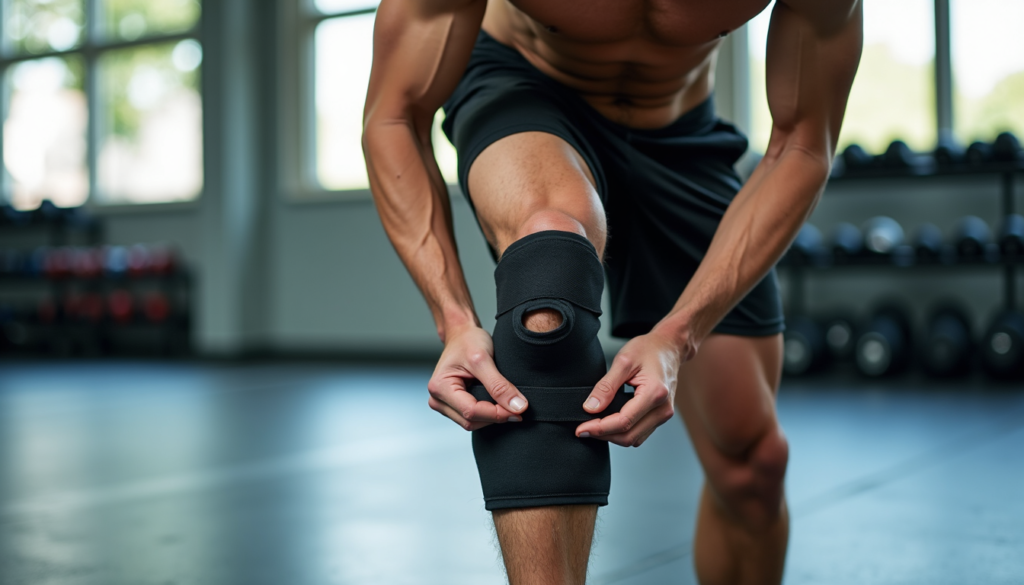
Using a muscle strain support brace can offer crucial benefits during recovery. Braces help limit unwanted motion, reduce stress on the injured area, and enhance body awareness (proprioception). They’re especially useful when healing moderate to severe strains or when the muscle is under repetitive stress.
A brace for muscle strain varies in rigidity. Some are soft, made for mobility and light support. Others are structured to keep the joint or muscle stable while healing. Choosing the right supportive brace for strained muscle depends on injury location and activity level.
Wearing a muscle strain support brace during key phases of recovery can also prevent re-injury. But it should be used alongside stretching and strengthening—not as a long-term crutch.
The Mayo Clinic advises selecting a brace that fits your condition and doesn’t restrict circulation or mobility unnecessarily.
Muscle Strain Brace for Back Muscle
A muscle strain brace for back muscle supports proper posture, especially during lifting or long hours of sitting. It helps reduce tension on the lower back, giving muscles a chance to recover. A back support for strained muscles may include lumbar pads or dual-strap designs that stabilize without limiting natural movement.
Groin Support Brace for Pulled Muscle
A groin support brace for pulled muscle applies gentle compression to reduce movement and inflammation in the upper thigh and pelvic area. Athletes often rely on it to continue low-impact training. This type of brace for strained groin muscle wraps snugly around the hips and inner thigh to keep the area warm and stabilized without cutting into range of motion.
Muscle Strain Treatment at Home

Muscle strain treatment at home often starts with basic care—but physical support tools play a bigger role than most realize. While rest and ice are important early steps, adding structured support can speed up healing and reduce stress on the injured area.
Begin by treating a muscle strain at home with RICE or POLICE principles, but include support tools from day one: kinesiology tape to lift skin and reduce swelling, a compression sleeve to improve blood flow, or a light brace for joint stability.
These aids provide home support for strained muscles without restricting movement. They also help prevent reinjury by improving body awareness as you start light activity again.
For effective muscle strain treatment at home, combine active rest with smart support strategies—not just downtime.
Compression Sleeve for Muscle Strain Recovery
A compression sleeve for muscle strain recovery is ideal for home use. It improves circulation and helps control inflammation. Compared to a brace, it’s less bulky and more flexible, allowing freedom of movement during early mobility. This form of compression support for strained muscles works well on arms, calves, or thighs while healing.
When to Seek Professional Help for Muscle Strain

If your pain doesn’t improve within a few days—or if swelling, bruising, or weakness increases—it may be more than a simple strain. A physiotherapist or sports injury specialist can assess if there’s a tear or underlying issue. Don’t rely on at-home tools alone if signs point to a more serious condition.
Preventing Muscle Strains in the Future
While muscle strains are common, most can be avoided with simple habits and the right tools. Prevention isn’t just about stretching—it’s about supporting your body before stress happens.
Here are smart ways to avoid pulled muscles:
✅ Warm up properly — Dynamic movements increase blood flow before workouts
✅ Strengthen weak areas — Target glutes, hamstrings, shoulders, or core
✅ Use support proactively — Apply kinesiology tape or wear a sleeve before high-load activity
✅ Stay hydrated — Dehydrated muscles fatigue faster and strain more easily
✅ Mind your form — Poor lifting, running, or posture habits create injury risk
✅ Recover right — Fatigued muscles are more likely to tear
✅ Know your limits — Listen to early signs of tightness or fatigue
Athletes often use support tools—like tape or braces—as a preventive strategy during intense sessions, not just after injury. These methods help stabilize joints, offload tension, and keep your body in sync.
Preventing strain injuries is always easier (and cheaper) than recovering from one.
Conclusion

Muscle strains can disrupt your routine, but the right supportive options for strains can help you heal faster and move smarter. Whether it’s kinesiology tape for mobility, a compression sleeve for swelling, or a brace for stability, support tools reduce stress on injured areas and improve recovery outcomes.
Remember: not every strain needs total rest. The right level of support allows safe movement while protecting healing tissue. And prevention is just as important—using tape or braces during activity can help you avoid future setbacks.
Before trying a new brace or taping method, talk to a physiotherapist to make sure it fits your needs and injury type.